Onboarding is a transaction
A design post that’s not about AI. I know. Rare.
I’ve been working with two different teams lately, both early-stage, both building something genuinely useful. And both had made the same decision before I arrived: keep onboarding as short as possible. Fewer screens. Fewer questions. Get users to the product fast.
I understand the instinct. Churn during onboarding is the thing that keeps founders up at night. Every extra screen feels like a risk. So you cut, and cut, and cut until what’s left is a signup flow so frictionless it almost feels rude — like meeting someone and immediately handing them a set of keys.
But here’s the thing they were both missing: onboarding is one of the few moments where you have a user’s complete attention and their clear intent. They just decided they want what you’re building. They’re motivated. They’re present. That is not a moment to rush through.
Efficient doesn’t mean fewer questions
When people talk about efficient onboarding, they usually mean fewer steps. But that’s not what efficient actually means. Efficient means getting as much value as possible — for both sides — while keeping the user willing and engaged.
A user who flies through a four-screen signup and lands in a generic empty state is not a success story. You got them in the door, sure. But you know nothing about them, and they’re already wondering what to do next.
Compare that to a user who spends two more minutes during onboarding, answers a few specific questions, and arrives in an experience that already feels like it was made for them. That’s efficient. Not because it was fast, but because it worked.
The deal people are actually willing to make
At Summer Health, we asked parents for their home address during onboarding. On paper, that sounds like exactly the kind of friction you’d want to cut. A home address? For a telehealth service treating your kids? That’s not just friction — that’s a trust test.
But we didn’t just ask for it — we explained why. If you give us your address, we can route prescriptions to your closest pharmacy. You give us something, we give something back.
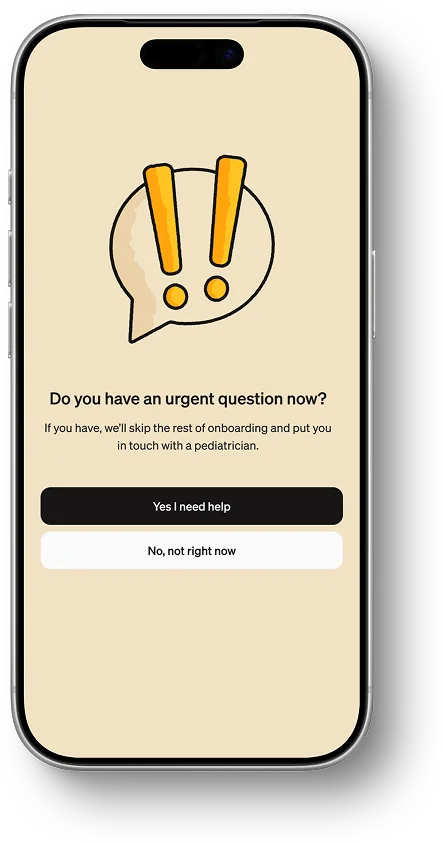
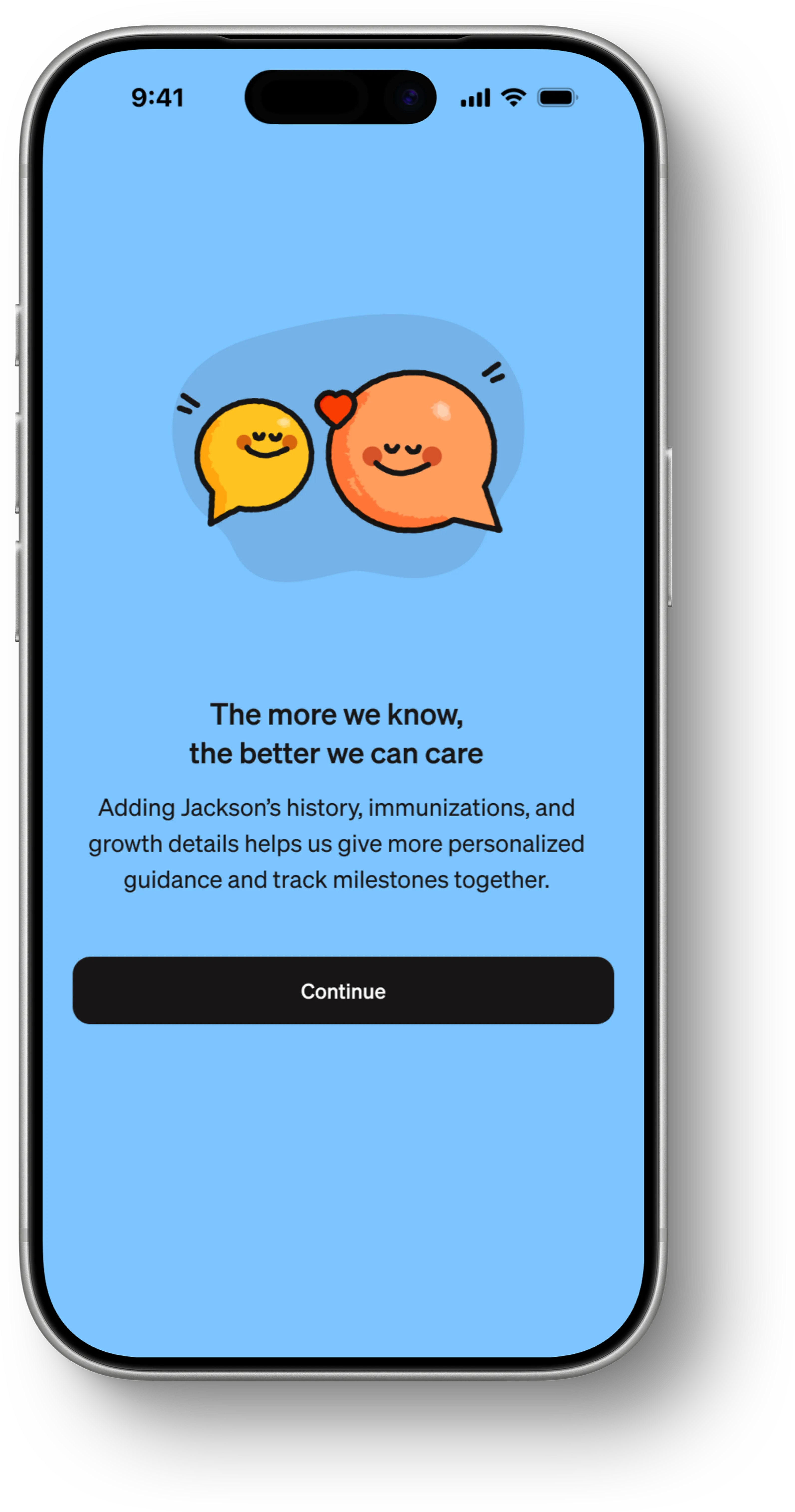
We also asked parents, early in the flow, whether they had an urgent question right now. If they said yes, we stopped onboarding entirely and connected them straight to a pediatrician. If they said no, we’d say great — and carry on. That’s not a question designed to collect data. It’s a signal to the user that we understand why they’re here, and that we’ll drop everything if they need us to. The onboarding can wait.
Then we asked about medical history and allergies. Heavy questions. The kind that make people hesitate. But we were upfront about why: we’re asking now so we already know when something urgent is happening. Nobody wants to answer questions about their child’s penicillin allergy while they’re panicking at midnight. We ask during onboarding so we never have to ask then.
People don’t mind sharing. The problem isn’t the questions — it’s when it feels like a company collecting data points rather than actually caring about the answer. The moment it feels like a form versus a conversation, people shut down.
Onboarding is a transaction. You’re asking for information, time, and trust. In return, you owe them a better experience. When that exchange is clear and honest, users lean in. When it’s not, they abandon.
What the questions you skip are telling you
There’s a useful test here that I keep coming back to: if you’re not sure whether to include a question in onboarding, ask yourself whether you can justify why you’re asking it — not to yourself, but out loud, to the user.
“We’re asking for your role so we can show you the features most relevant to how you work.” “We’re asking about your team size so we don’t waste your time on things that don’t apply.”
If you can say it plainly and it sounds reasonable, ask it. If you find yourself reaching for vague justifications, or worse, deciding you don’t actually need the answer for anything specific — that’s telling you something. Either the question shouldn’t be there, or you haven’t yet figured out what you’d do with the answer.
Both are worth knowing.
The moment won’t come back
The startup instinct to minimize onboarding comes from a real fear, and I’m not saying ignore it. Drop-off during signup is real, and a bloated onboarding flow with irrelevant questions is genuinely a problem.
But so is the missed opportunity. You will never again have this user’s attention the way you have it right now. They signed up. They’re curious. They want to be here.
Ask them something. Make it worth answering. Tell them why.
That’s not friction. That’s just a conversation.